Toothache After a Filling or Crown: Is It Normal and When Should You Seek Toothache Treatment Services?
Tooth sensitivity after a filling or crown is one of the most common concerns patients raise with their dentist. This article covers when post-procedure sensitivity is expected, what warning signs call for proper toothache treatment services, and how quickly most people can expect to feel better.
What Is Normal After a Filling or Crown?
Some degree of discomfort after dental work is completely normal. When a tooth is prepared for a filling or crown, the surrounding tissues and nerves are disturbed. The nerve may need a week or two to settle, and your bite may feel slightly off until everything adjusts. This sensitivity is typically mild, responds to cold more than heat, and gradually improves day by day. It does not usually interrupt sleep or stop you from eating normally.
How Long Should Tooth Pain Last After a Filling or Crown?
Post-procedure sensitivity typically resolves within one to two weeks, with discomfort gradually easing rather than worsening. Over-the-counter pain relief and avoiding very hot or cold foods can help. If your tooth still hurts at the two-week mark, or if pain is climbing rather than falling, it is time to seek professional toothache treatment.
Warning Signs That Require Toothache Treatment Services
Some symptoms are not part of normal recovery and warrant a follow-up visit. Watch for:
- Pain that is getting worse over time rather than improving.
- Sharp or shooting pain when biting down.
- Spontaneous throbbing pain with no trigger.
- Sensitivity to heat that lingers for more than 30 seconds.
- Swelling around the tooth or nearby gum.
If you notice any of these, prompt toothache treatment services in Port Macquarie, NSW, can help identify the cause before the issue becomes more serious.
The High Bite Problem
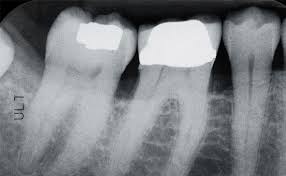
One of the most frequent reasons for post-filling pain is a high bite, where the filling sits slightly too tall and places extra pressure on the tooth each time you chew. This is one of the easiest fixes in dentistry. A brief follow-up visit to adjust the filling can often resolve the discomfort within a day or two.
When a Root Canal May Be Needed After a Filling
In some cases, the nerve inside a tooth is too inflamed to recover on its own, particularly when decay was deep or when pre-existing nerve irritation was present. Signs a root canal may be necessary include persistent throbbing, severe sensitivity to heat, and pain that wakes you at night. This does not mean anything went wrong during your filling; it often reflects the condition the tooth was already in. A dentist can assess the situation and explain your options before any further treatment begins.
Crown-Related Tooth Pain and What It May Mean
Some sensitivity after a crown is cemented is expected as the tooth adjusts and the cement sets, usually fading within a few days. If pain intensifies after the first week, or the crown feels too high when you bite, a minor adjustment may be needed. In less common cases, the nerve beneath the crown may become inflamed over time, requiring further investigation.
Ready to Address Tooth Pain After Dental Work in Port Macquarie?
Port Smiles Dental provides accessible toothache treatment services for patients in Port Macquarie, NSW, and Bonny Hills, NSW. If your tooth is not settling as expected after a filling or crown, the team is happy to see you for a follow-up. Health fund benefits may apply, and payment plan options are available. To find out whether you need further care,
request an appointment online or call the Port Macquarie, NSW, practice on
02 6583 8868. For urgent concerns, visit the
emergency treatment page to learn more about same-day options.